MANNOL believes that the new European emissions regulation will place increasing demands on the long-term performance of engines and exhaust aftertreatment systems. Modern ACEA and API performance categories are therefore becoming increasingly important for the technical specification and selection of suitable engine oils.
- Euro 7 extends emissions regulations to include additional requirements for particulate emissions, brake particle emissions and the durability of emissions-related systems.
- Low- and Mid-SAPS technologies, together with low oil viscosities approved by vehicle manufacturers, support the efficiency of modern powertrains.
- With engine oils meeting ACEA C2/C3/C5, API SQ and ILSAC GF-7B specifications, MANNOL already offers lubricant solutions for a range of modern engine designs.
On 29 November 2026, the mandatory application of Euro 7 Regulation (EU) 2024/1257 to new vehicle types in categories M1 and N1 will mark a further stage in the development of European emissions regulations. While the existing Euro 6 exhaust emission limits for passenger cars and light commercial vehicles will largely remain unchanged, Euro 7 introduces additional requirements, particularly regarding particulate emissions, emissions durability and the evaluation of additional vehicle components.
For the lubricant industry, the key consideration is not so much the introduction of a new set of exhaust emission limits, but rather the long-term reliability of modern engines and exhaust aftertreatment systems. This is because the emissions performance of an internal combustion engine depends not only on its design, but also on how reliably its components perform throughout their service life.
Euro 7: Emissions Control Throughout a Longer Vehicle Life Cycle
With Euro 7, the European Union is broadening the scope of vehicle emissions regulation. In addition to regulating exhaust emissions, the new regulation also covers particulate emissions from braking systems and introduces minimum durability requirements for traction batteries for the first time.
In the measurement of exhaust particulate emissions, particular emphasis is being placed on detecting smaller particles down to 10 nanometres in diameter. At the same time, greater attention is being paid to the long-term durability of emissions-related systems. For passenger cars and light commercial vehicles, the main lifetime will be set at eight years or 160,000 kilometres, whichever comes first. The regulation also specifies additional requirements that apply beyond these limits during an extended vehicle lifetime.
This development places greater emphasis on maintaining reliable engine performance over the long term. Wear, oil consumption, deposit formation and the ageing of exhaust aftertreatment components can affect a vehicle’s emissions characteristics throughout its service life.
The technical challenge is therefore not merely to demonstrate low emissions during type approval, but also to ensure that emissions-related systems continue to function reliably under varying operating conditions and over extended periods of use.
ACEA, API and ILSAC: Technical Performance Requirements for Modern Engine Oils
Euro 7 does not prescribe specific engine oil specifications. The requirements for suitable lubricants continue to be determined by the respective engine design, manufacturer specifications and established performance standards such as ACEA, API and ILSAC.
The ACEA C categories are particularly relevant for modern European petrol and diesel engines equipped with exhaust aftertreatment systems. Among other things, they specify requirements for the chemical composition, high-temperature viscosity and performance characteristics of lubricants.
A key factor is the limited content of sulphated ash, phosphorus and sulphur, collectively referred to as SAPS (Sulphated Ash, Phosphorus, Sulphur). These substances are, to some extent, associated with high-performance additive systems. However, depending on the oil formulation and the amount of oil entering the exhaust system, they can contribute to ash accumulation in particulate filters or impair the performance of catalytic systems.
Low- and Mid-SAPS lubricants therefore play an important role in modern engine and exhaust aftertreatment technologies.
While ACEA C3 is designed for applications requiring an HTHS viscosity of at least 3.5 mPa·s, ACEA C5 and C6 allow lower HTHS viscosities of at least 2.6 but less than 2.9 mPa·s. The ACEA C7 category extends the range to particularly low-viscosity SAE 0W-16 applications.
HTHS viscosity (High Temperature High Shear) describes the flow behaviour of a lubricant at 150°C under high shear conditions. It is an important parameter in determining the characteristics of the lubricating film and mechanical friction losses within the engine.
Lower viscosities can help reduce hydrodynamic friction losses. However, this requires the engine to be specifically designed for the relevant viscosity grade and the necessary level of wear protection to be maintained.
The American API SQ and ILSAC GF-7 standards also impose stringent requirements on modern petrol engine oils. Key areas of focus include protection against low-speed pre-ignition (LSPI), the prevention of excessive timing chain wear, the control of high-temperature deposits and fuel efficiency.
These properties are particularly important from a technical perspective for highly turbocharged, downsized direct-injection petrol engines.
Modern Exhaust Aftertreatment Systems Place Additional Demands on Lubricants
Diesel particulate filters (DPF), petrol particulate filters (GPF), three-way catalytic converters (TWC) and selective catalytic reduction (SCR) systems are essential components of modern emissions control technologies.
The lubricants used must meet a range of requirements simultaneously: reliable lubrication under thermal and mechanical stress, controlled deposit formation, oxidation stability and additive chemistry tailored to the requirements of exhaust aftertreatment systems.
The accumulation of inorganic ash in particulate filters is particularly significant over the long term, as unlike combustible soot particles, this ash cannot be removed through normal filter regeneration.
Engine oil evaporation losses also play a role. Low oil volatility, as measured, for example, by the NOACK test method, can help limit oil consumption and consequently reduce the amount of oil-derived substances entering the exhaust system.
From MANNOL’s perspective, individual properties such as viscosity should therefore not be considered in isolation. What matters is the carefully balanced interaction between base oil technology, additive formulation, thermal stability and the specific requirements of the engine.
MANNOL: Lubricant Solutions for Different Engine Technologies
MANNOL already offers engine oils with performance characteristics that address key requirements of modern internal combustion engines designed to minimise emissions.
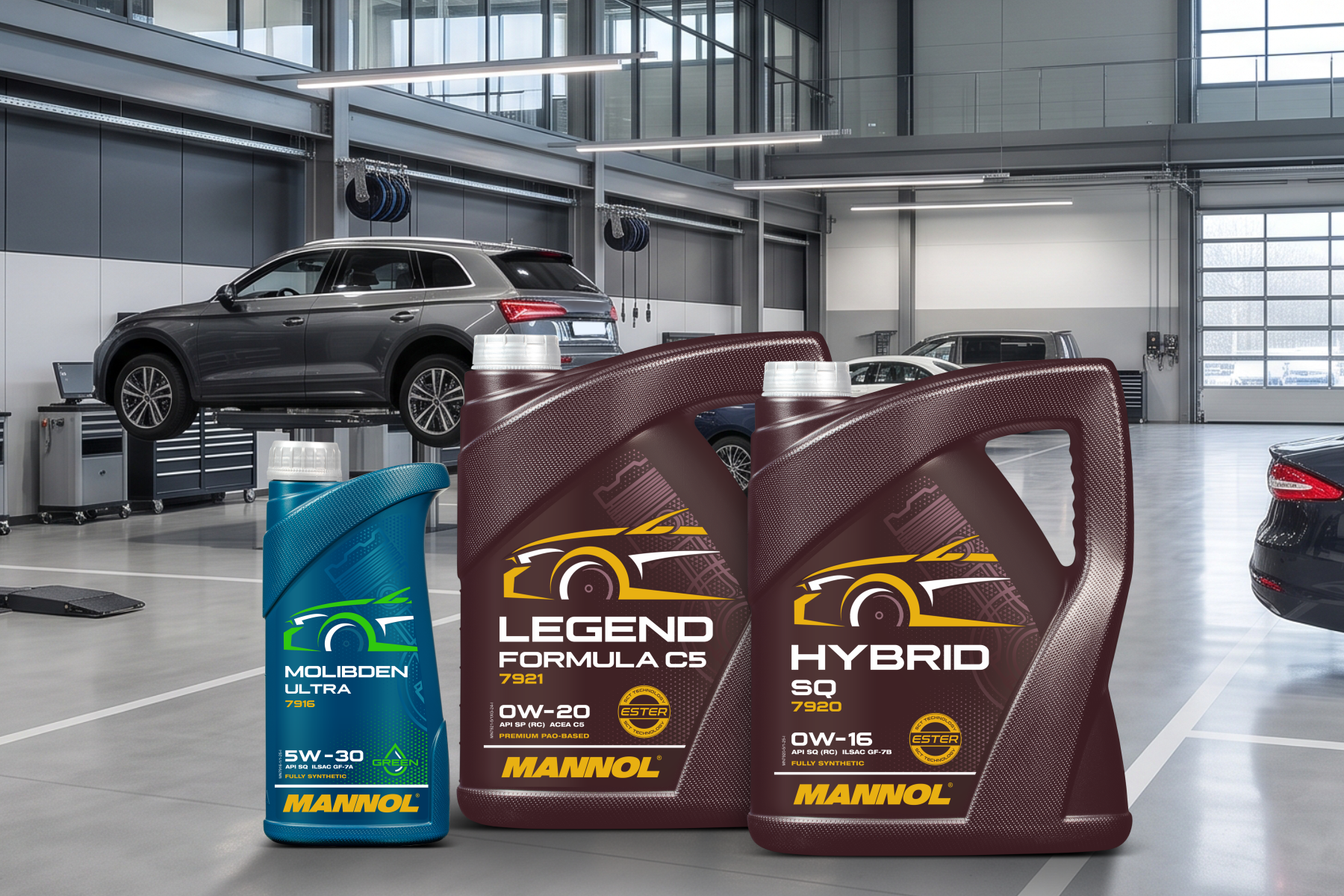
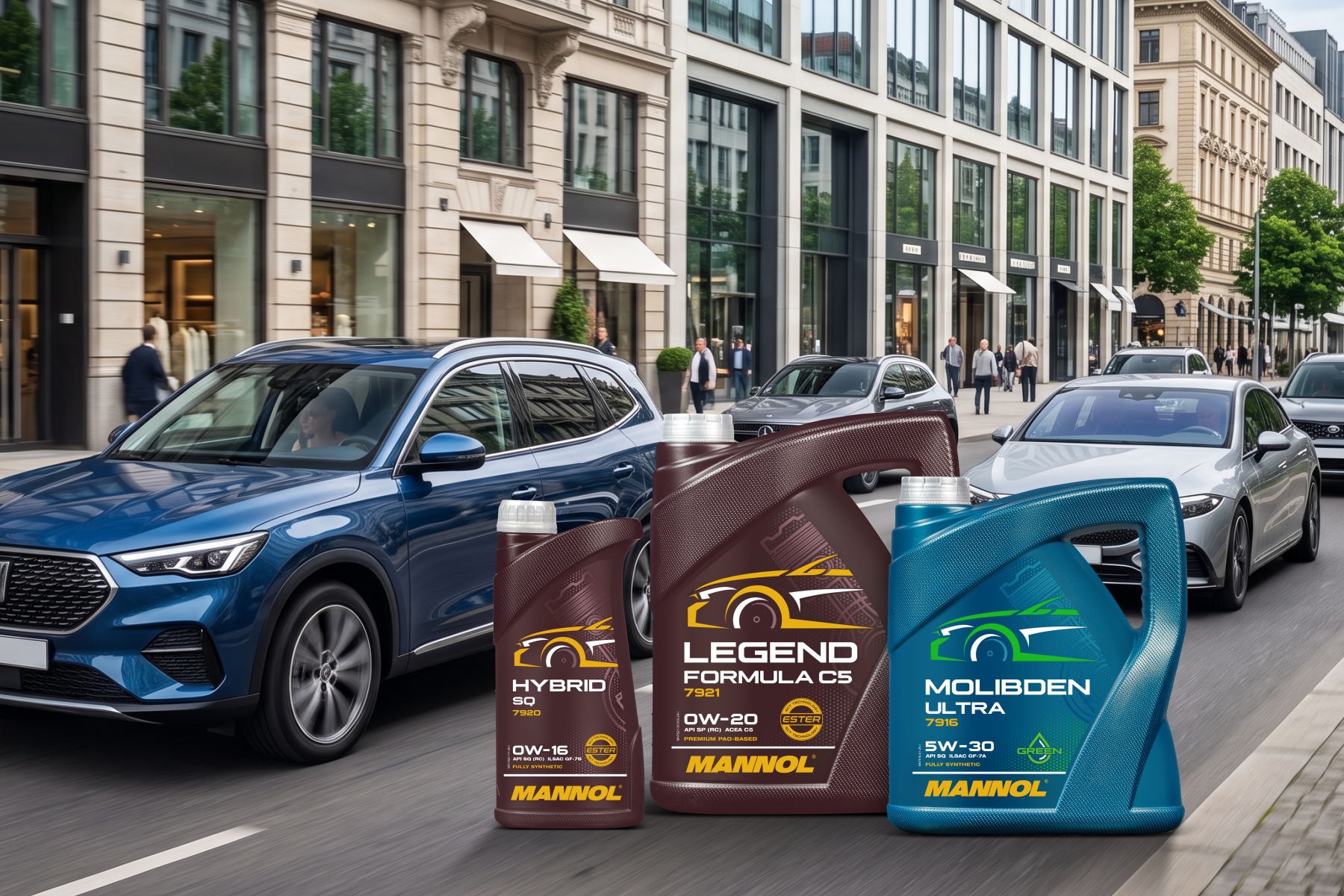
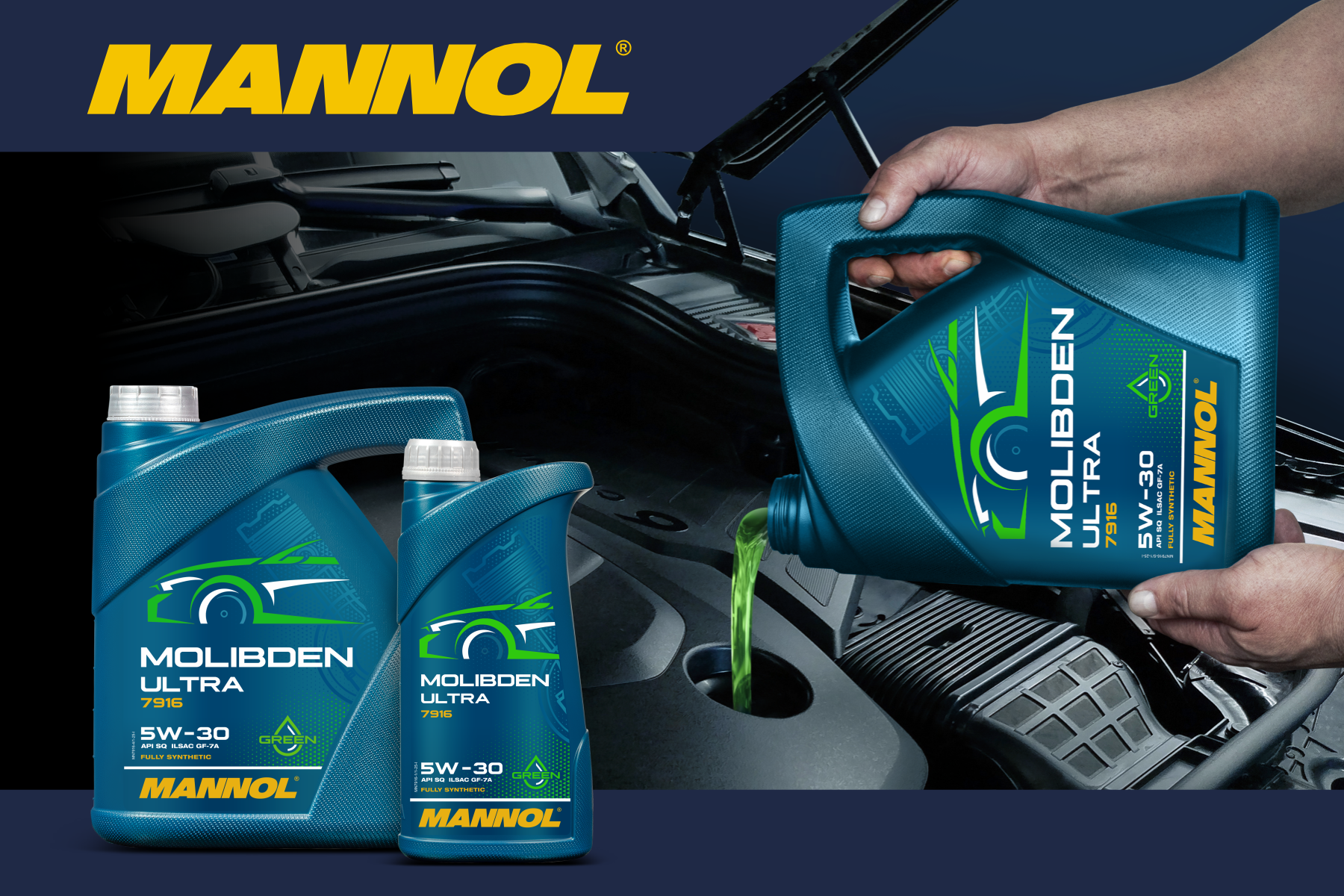
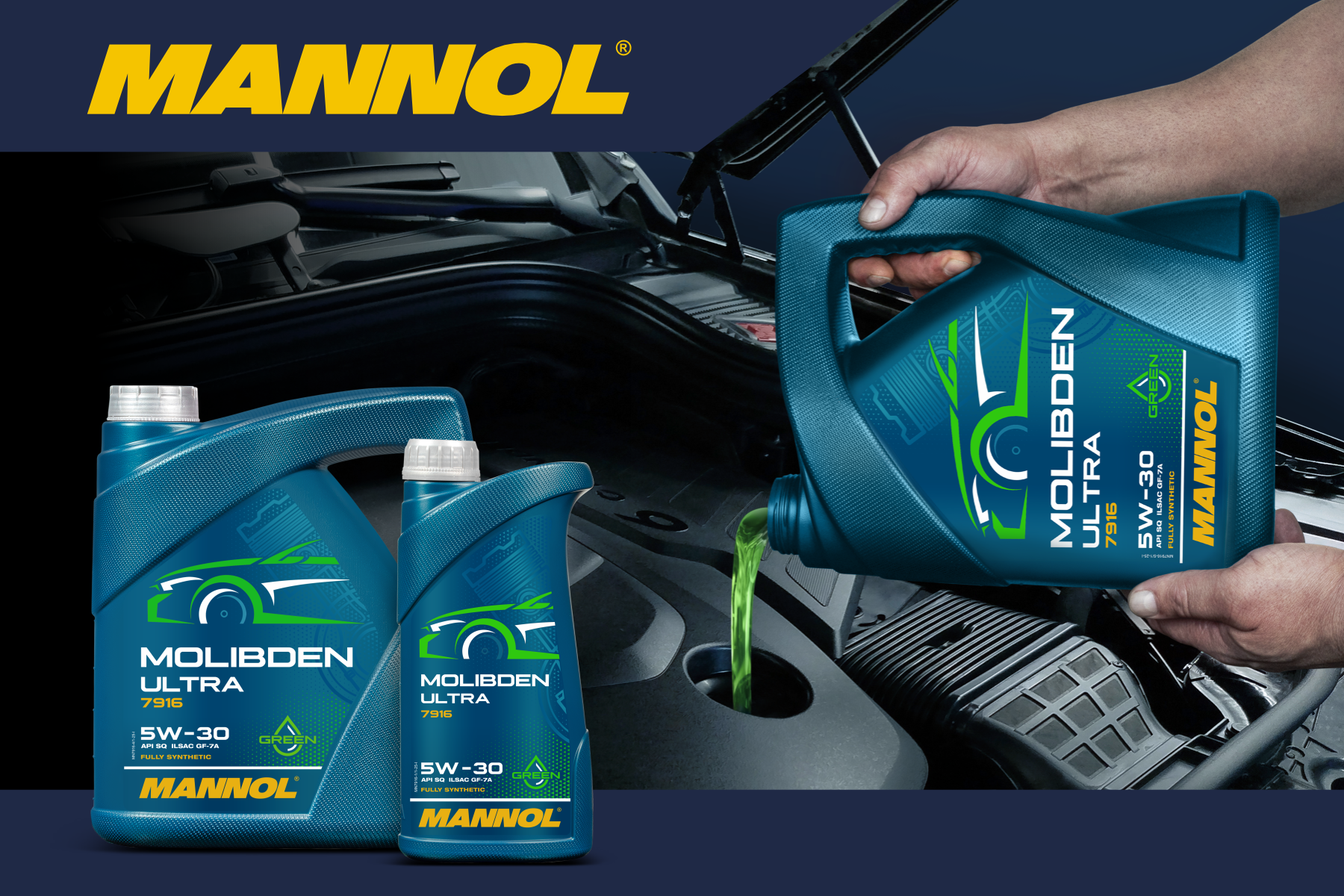
MANNOL Molibden Ultra 5W-30 (7916) combines the ACEA C2 and C3 performance categories with API SQ and ILSAC GF-7A. Its formulation, incorporating molybdenum-based friction modifiers, is designed to reduce friction and wear. At the same time, the product meets the needs of modern engines equipped with exhaust aftertreatment systems. It therefore covers a broad range of technical applications, provided that the relevant manufacturer specifications are met.
MANNOL Legend Formula C5 0W-20 (7921) is designed for low-viscosity applications requiring ACEA C5 performance. Its reduced HTHS viscosity can help minimise friction losses in engines specifically designed for this viscosity level. The formulation also takes into account the requirements of modern exhaust aftertreatment systems. The product holds manufacturer approvals including Mercedes-Benz MB 229.71 and MB 229.72.
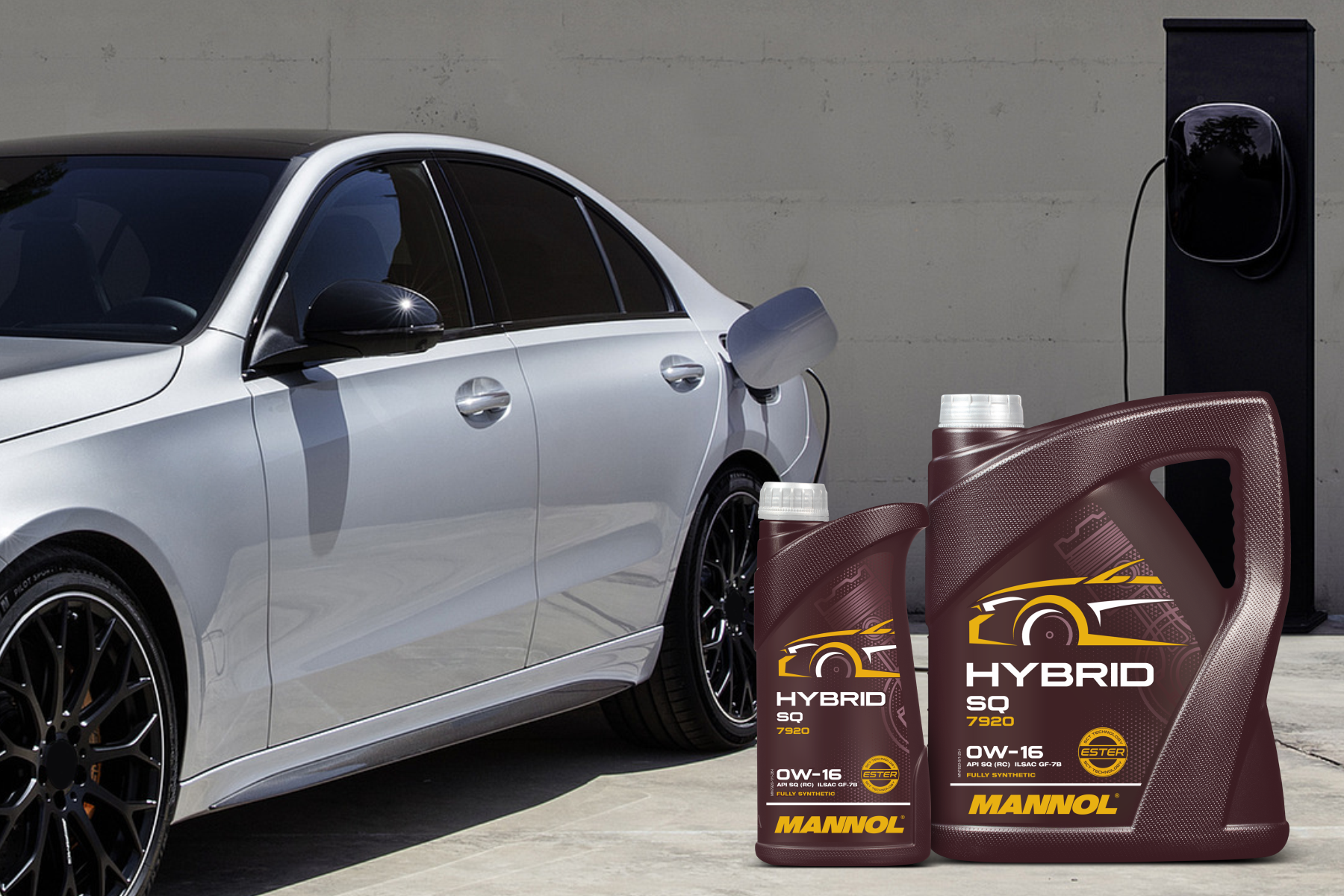
MANNOL Hybrid SP 0W-16 (7920) is designed for particularly low-viscosity petrol engine applications and hybrid powertrains. Formulated with PAO and ester components, this engine oil meets the API SQ (Resource Conserving) and ILSAC GF-7B performance standards. Its low viscosity helps reduce friction losses in engines specifically designed for its use. At the same time, the formulation focuses on cold-start performance, wear protection and deposit control.
These properties are particularly important in hybrid vehicles, where the internal combustion engine frequently operates under varying thermal conditions and undergoes repeated start-up cycles.
These three products demonstrate the different technical approaches taken in modern lubricant development. There will be no single universal engine oil suitable for all Euro 7 vehicles. The decisive factors remain the specific engine design, the required viscosity grade and the vehicle manufacturer’s mandatory specifications.
Euro 7 as a Long-Term Benchmark for Lubricant Development
MANNOL views the introduction of Euro 7 as part of a broader technological evolution. Increasing demands for emissions durability, energy efficiency and the long-term reliability of modern powertrains require the continuous development of lubricant formulations.
This makes it increasingly important to balance different technical objectives: minimising friction losses, maintaining high levels of wear protection, controlling oil ageing and ensuring compatibility with complex exhaust aftertreatment systems.
For workshops and specialist automotive retailers, selecting the right product is therefore becoming increasingly important. An appropriate SAE viscosity grade alone is not a sufficient selection criterion. The decisive factors are the performance standards specified by the vehicle manufacturer.
Konstantin Gaab, Managing Director of SCT Vertriebs GmbH (MANNOL Germany), explains: ‘From our perspective, Euro 7 is not merely a further development of emissions legislation, but above all a signal that modern vehicles will need to meet increasingly stringent requirements for long-term technical durability.
The challenge for the lubricant industry is to further reduce friction losses and, consequently, energy consumption without compromising wear protection or the performance of exhaust aftertreatment systems.
Modern performance standards such as ACEA C5, C6 and C7, as well as API SQ and ILSAC GF-7, provide the industry with an important technical foundation. The key will be to translate these requirements into high-performance formulations tailored to specific engine designs.
Our existing MANNOL portfolio already supports a range of modern powertrain technologies. At the same time, we regard the continuous development of our lubricants as essential to meeting the future requirements of vehicle manufacturers.
Our aim is not simply to respond to regulatory changes, but to understand their technical implications at an early stage and incorporate them into the ongoing development of our product portfolio.’
About Sudheimer Car Technik-Vertriebs GmbH
MANNOL is a successful lubricant brand under the umbrella of the international SCT Group. The range comprises more than 500 products, spanning from engine and gearbox oils, through operating fluids and car care products, to specialised lubricant solutions for industry. Since its foundation in 1993 by Juri Sudheimer, MANNOL and SCT have stood for innovation, quality and value for money. The SCT Group covers the entire value chain – from research and development through to production and bottling, right through to global logistics. MANNOL products are distributed globally and are now available in over 130 countries worldwide.