- The supply situation in the base oil market remains tight.
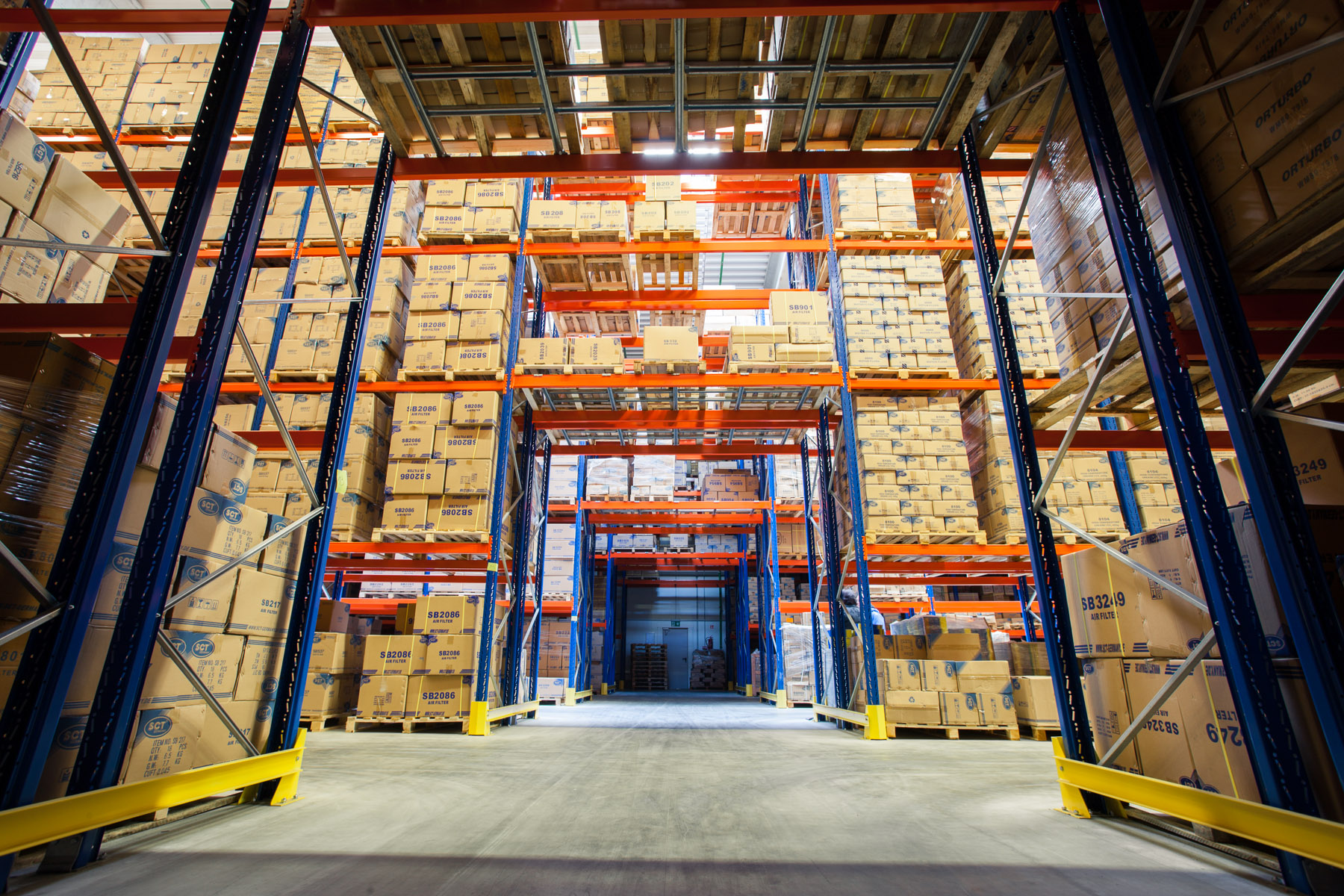
- SCT will ensure a sufficient supply of goods in the coming months.
- The goal is to remain able to deliver at all times.
- Price increases are currently unavoidable.
- SCT remains a reliable partner for distributors and end customers.
The ongoing situation in the Strait of Hormuz continues to have a significant impact on the global supply of raw materials, particularly on the market for base oils. Restricted supply routes, damaged refineries, and rising energy costs are posing challenges for all market participants. The longer the conflict with Iran persists, the more noticeable the consequences will become for end consumers in Europe. For instance, these base oils are also required for the initial filling of new vehicles, which could limit the production of internal combustion engine vehicles. Furthermore, the entire logistics industry—including public transit and truck traffic—could be disrupted by the shortage of base oils.
SCT is addressing the current tense market situation with forward-looking and strategically oriented procurement planning. The goal is to reliably ensure a continuous flow of goods in the coming months and thus guarantee uninterrupted delivery capability to customers. Through early scheduling and careful inventory planning, SCT is creating the necessary conditions to proactively mitigate potential bottlenecks, ensuring that supply security remains stable in the long term and that customers can rely on the usual availability at all times.
The market is also coming under increasing pressure due to the limited availability of GTL oils, which have primarily been used in lubricant production to date. The damage to refineries in the Hormuz region has led to an increased use of HC oils as a substitute. As a result, significant price increases of up to 50 percent have been observed there as well.
Due to disrupted transport routes, the average delivery time for components needed in lubricant production is currently about six weeks. However, since prices are based on those in effect at the time of delivery, price increases on end products are already necessary to offset the expected costs.
SCT is consciously accepting this development in order to continue acting as a reliable partner for distributors and end customers. The company is thus sending a clear signal of supply security, stability, and continuity in an unstable market environment.
These media outlets have reported on this: