
MANNOL Explains The Technical Challenges of Low Temperatures and Shows The Role That Viscosity, Coolant Chemistry and Fuel Filterability Play in The Operational Reliability of Modern Vehicles.
Wedel, October 2026
- Engine Oil: Cold-start properties are assessed using defined test methods in accordance with SAE J300. The decisive factors are cold-cranking viscosity, pumpability and compliance with the manufacturer’s specifications.
- Cooling System: Antifreeze protection alone is not enough. The inhibitor technology used must match the materials and requirements of the respective cooling system.
- Diesel Fuel: Filterability at low temperatures depends on paraffin crystallisation and the composition of the fuel. Cold flow improvers can provide targeted support for low-temperature properties.
As outside temperatures fall, the physical properties of many of the fluids in a vehicle change. Engine oils become more viscous, the electrochemical performance of starter batteries declines, and paraffin crystals can form in diesel fuel. At the same time, the cooling system must continue to work reliably in freezing conditions and retain its corrosion-protection properties.
For workshops and vehicle owners, this means that proper winter preparation should not wait until the first starting problems appear. What matters is checking the fluids in use in good time and making sure they are suitable for the temperatures to be expected.
Engine Oil: Cold-start Behaviour Is More than a Viscosity Rating
A considerable share of the mechanical stress on a combustion engine occurs during cold starts and the subsequent warm-up phase. At low temperatures, the viscosity of the engine oil increases, raising both the effort needed to crank the engine and the demands placed on the oil supply.
The SAE J300 classification takes these relationships into account with defined limit values for cold-cranking and pumping behaviour.
Two distinct properties are considered:
The CCS Viscosity (Cold Cranking Simulator) describes the viscosity-related resistance when cranking the engine under defined low-temperature conditions.
The MRV Test (Mini-Rotary Viscometer), by contrast, assesses the pumpability of the engine oil at very low temperatures.
For example, an SAE 0W engine oil must not exceed a CCS viscosity of 6,200 mPa·s at −35 °C. For SAE 5W, the limit is 6,600 mPa·s at −30 °C. The corresponding pumpability tests are carried out at −40 °C and −35 °C respectively.
These differences show why choosing the right viscosity grade is particularly important at extremely low temperatures.
However, the suitability of an engine oil cannot be judged by its winter viscosity alone. Equally important are the requirements for wear protection, high-temperature viscosity and exhaust aftertreatment, as laid down, for example, in the ACEA performance classes and specific manufacturer specifications.
One example from the MANNOL portfolio is MANNOL Longlife 504/507 5W-30 (7715). This synthetic engine oil meets the ACEA C3 performance class and holds the Volkswagen approvals VW 504 00 and VW 507 00. The formulation is designed for modern petrol and diesel engines that require not only reliable cold-start properties but also compatibility with exhaust aftertreatment systems.
However, choosing a lower-viscosity engine oil only makes sense if its viscosity grade and performance profile are expressly intended for the engine in question.
Cooling System: Antifreeze and Corrosion Protection Must Go Hand in Hand
The requirements for modern coolants go far beyond preventing frost damage.
A coolant must transfer heat reliably, limit the formation of corrosion and deposits, and at the same time be compatible with the various materials in the cooling system. These include, in particular, aluminium alloys, grey cast iron, plastics and elastomeric sealing materials.
Antifreeze protection is usually achieved with a mixture of water and glycol. However, the long-term functionality of the cooling system depends largely on the corrosion inhibitor technology used.
The options include silicate-containing hybrid formulations, organic inhibitor systems (OAT – Organic Acid Technology) and combined technologies such as Si-OAT.
These additive systems take different approaches to protecting metal surfaces. While silicate-containing formulations can, among other things, quickly form protective surface layers, organic inhibitor systems rely more on targeted chemical action at points at risk of corrosion.
Which technology may be used is determined by the relevant manufacturer specification.
The Colour of a Coolant Is Not a Reliable Technical Selection Criterion. It is produced by dyes and gives no clear indication of the corrosion inhibitors it contains or whether different products can be mixed.
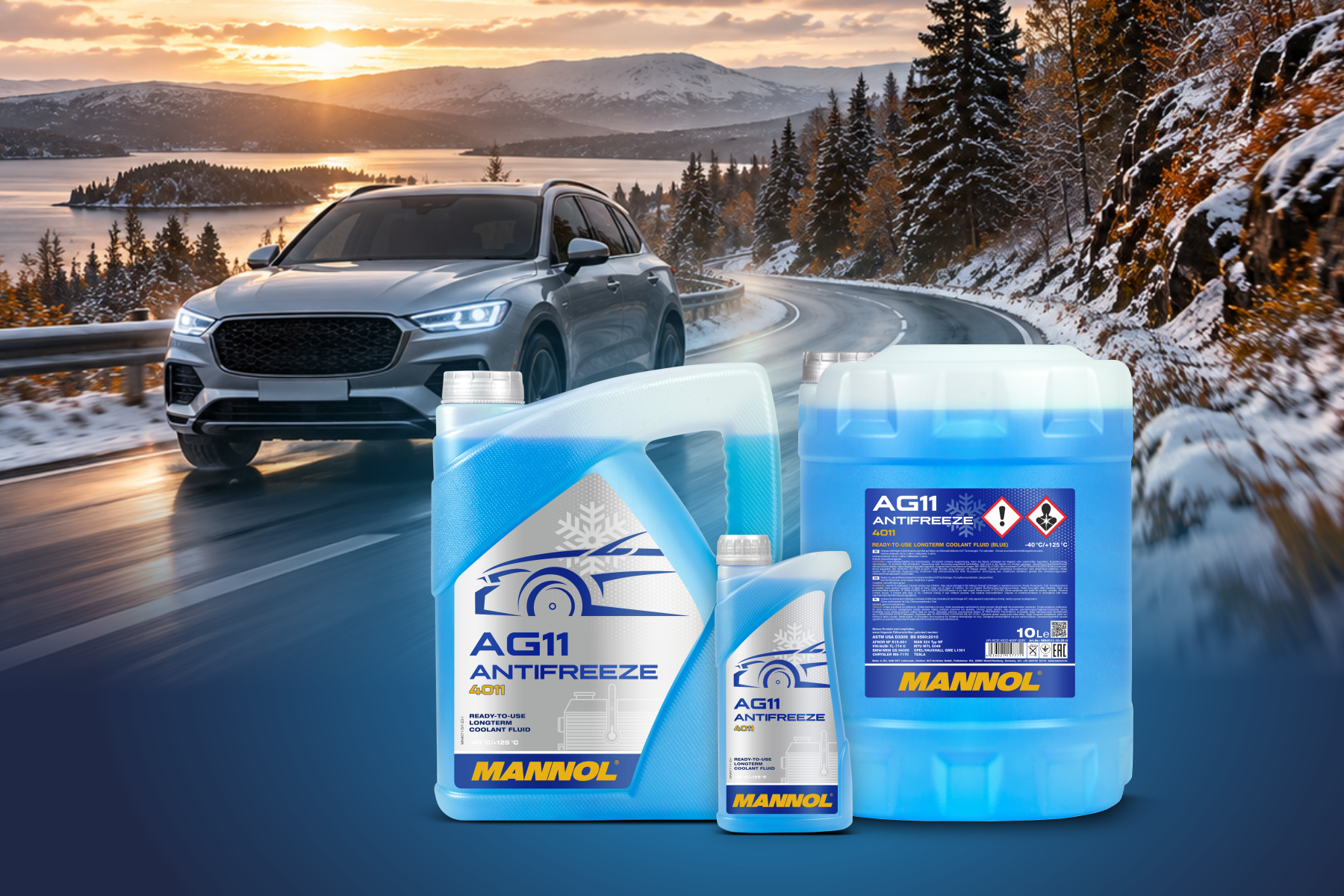
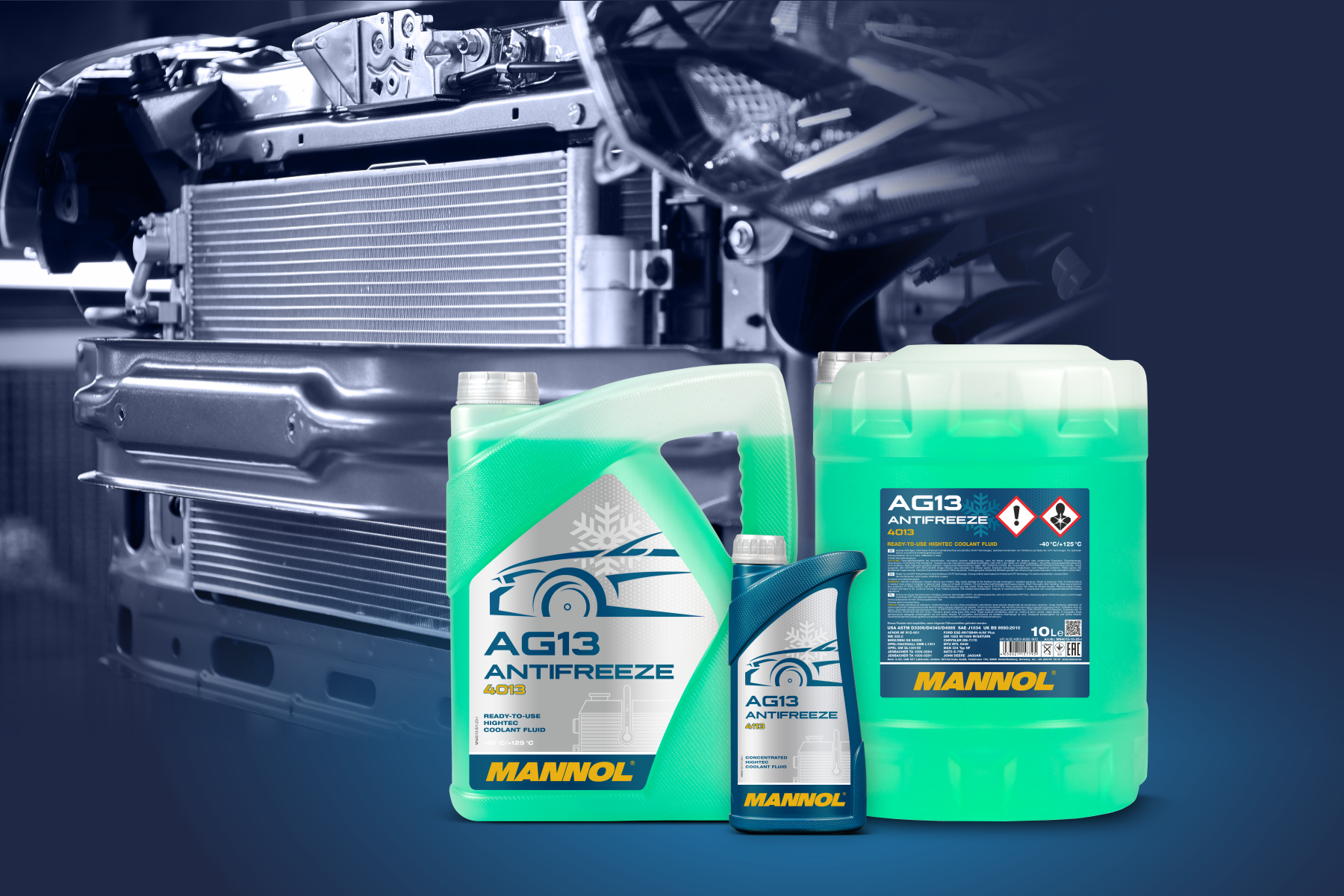
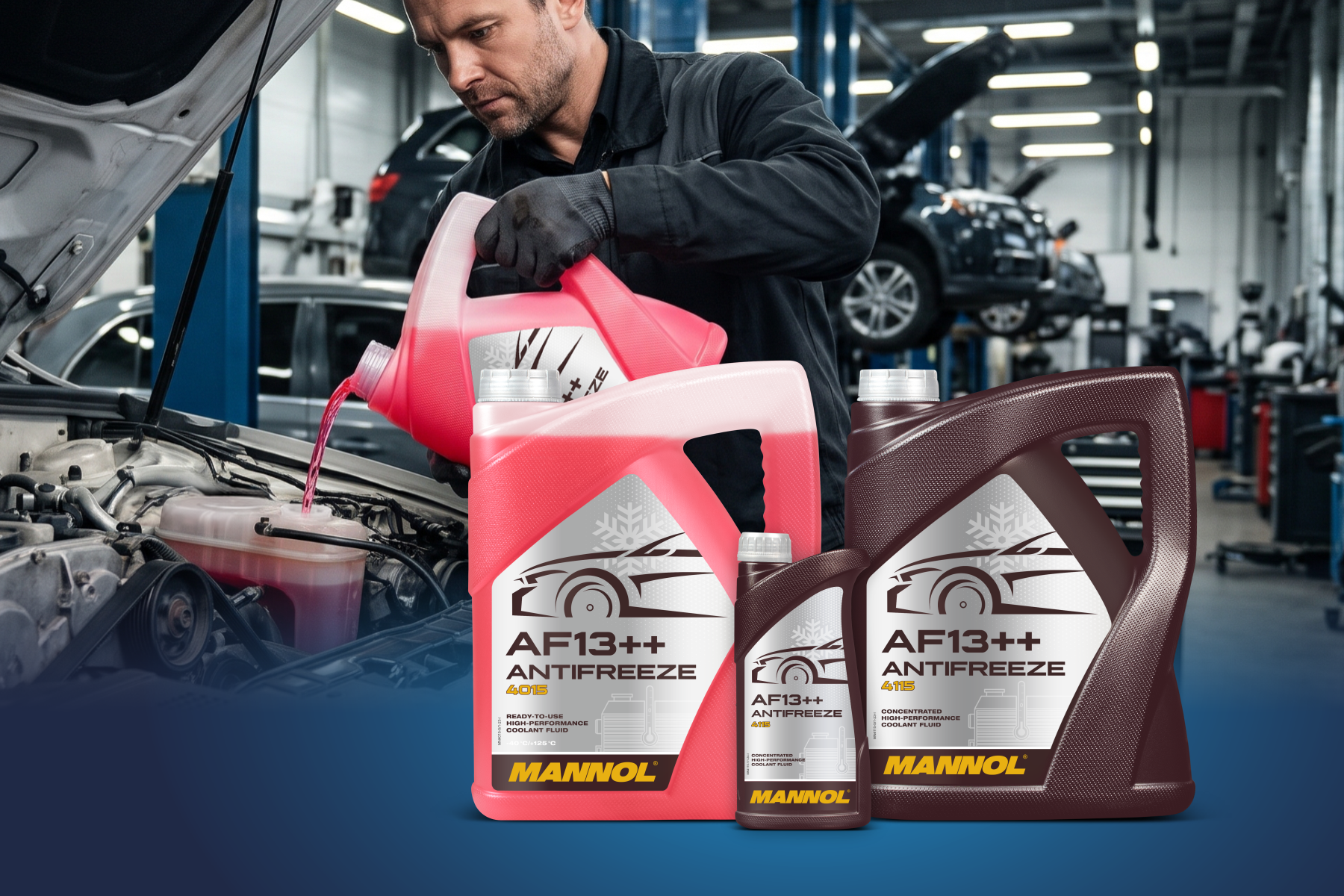
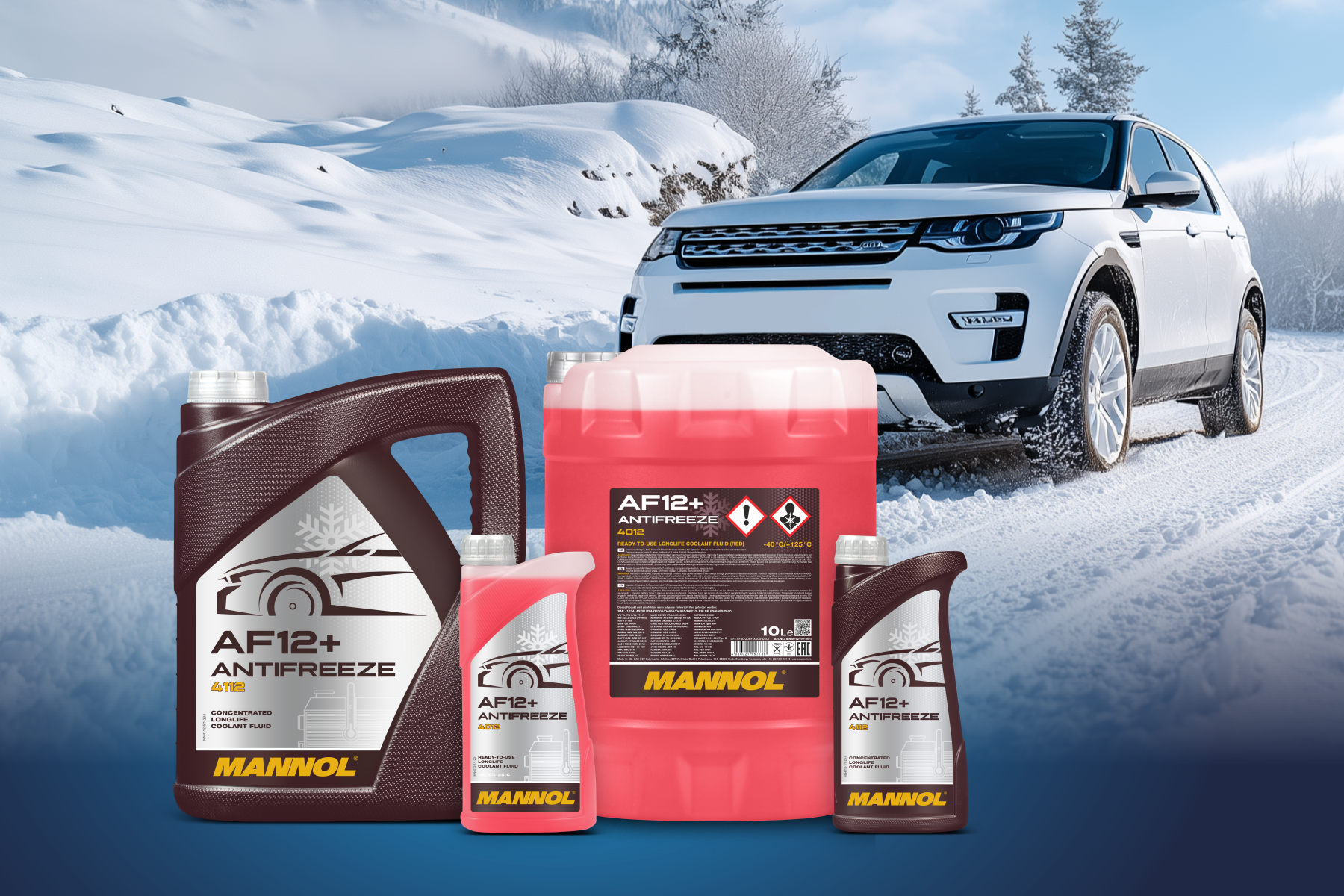
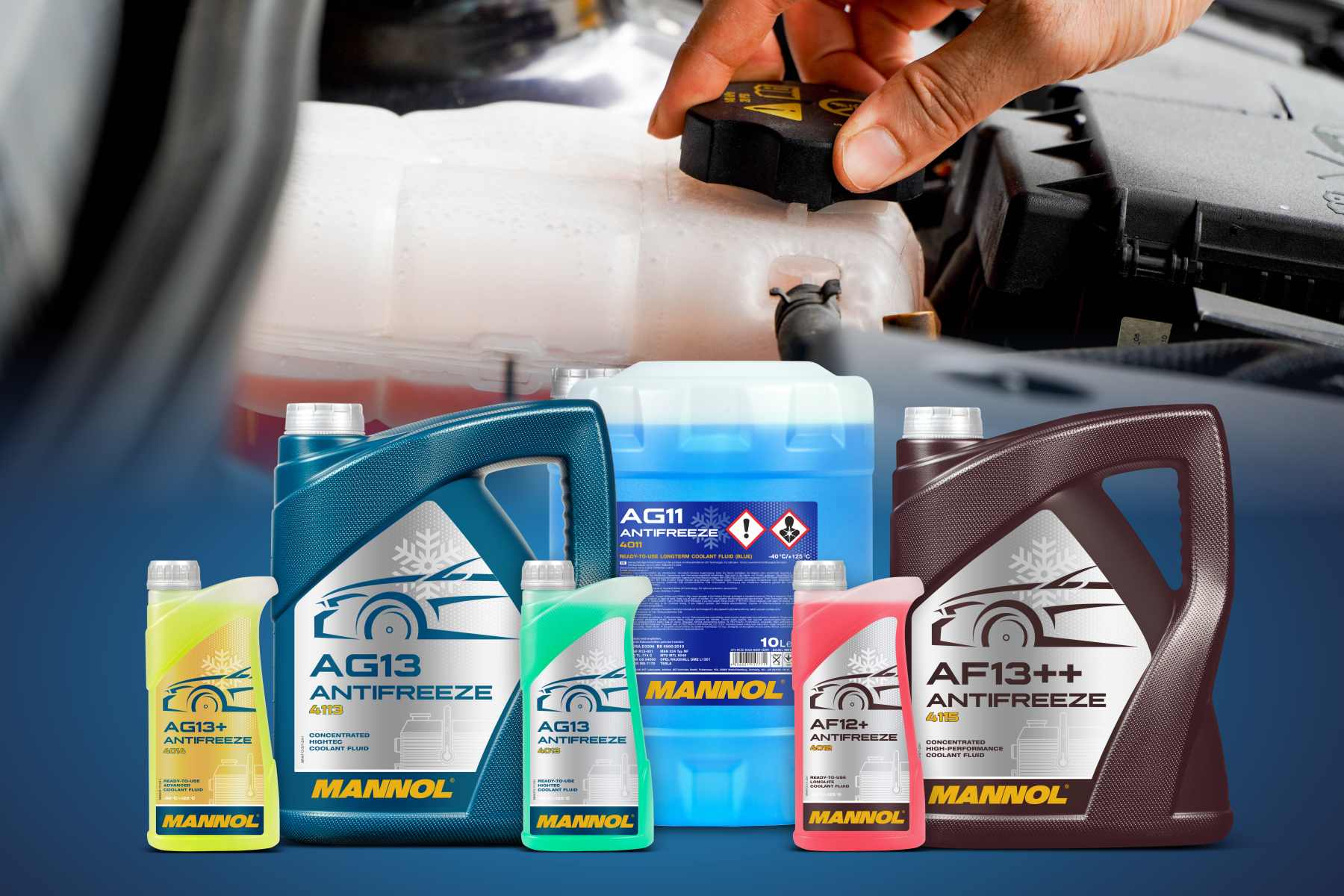
With its AG11, AG13, AF12+ and AF13++ coolant series and other formulations, MANNOL offers solutions for a range of technical requirements. Product selection remains governed by the relevant specifications and the vehicle manufacturer’s requirements.
The level of antifreeze protection should also be checked regularly. With suitable calibration, a refractometer can be used to determine the antifreeze concentration. However, measuring the freezing point alone is no substitute for assessing the chemical condition of the coolant.
Particularly where the existing fill is unknown, or where there is contamination or unusual deposits, a complete coolant change in accordance with the manufacturer’s specifications may make more sense than topping up with a potentially incompatible formulation.
Diesel Fuel: When Paraffin Crystals Limit Filterability
Diesel fuel contains paraffinic hydrocarbons that can crystallise as temperatures drop. Small wax crystals form at first, which grow as the fuel cools further and can impair its filterability.
Two parameters are particularly relevant for the technical assessment.
The cloud point describes the temperature at which the first visible wax crystals appear under defined test conditions.
The CFPP (Cold Filter Plugging Point), by contrast, indicates the filterability limit of the fuel under standardised test conditions. It is determined, for example, in accordance with EN 116.
For diesel fuel conforming to EN 590, cold-flow requirements vary by season and region. In Germany, commercially available winter diesel must achieve a CFPP of no higher than −20 °C during the relevant winter period.
Nevertheless, at particularly low temperatures or under unfavourable operating conditions, filterability can still become a critical factor.
This is where cold flow improvers come in. These additives influence the growth and structure of the paraffin crystals, which can reduce their tendency to block filters.
With MANNOL Winter Diesel (9983), we offer a suitable cold flow improver. According to the manufacturer, filterability values down to −36 °C can be achieved, depending on the fuel used.
However, timing is crucial: cold flow improvers must be added to the fuel early enough and at the intended dosage, before larger paraffin crystal structures have formed.
Diesel fuel that has already gelled or no longer flows adequately cannot always be reliably restored to working order by adding additives afterwards. In the event of acute waxing, controlled warming and, where necessary, further measures on the fuel system may be required.
For vehicles regularly operated at extremely low temperatures, choosing a suitable winter or arctic diesel fuel in good time is therefore particularly important.
Systematic Winter Checks Instead of Short-Term Fixes
In addition to the fluids, workshops should pay particular attention to the condition of the starter battery, the tyres and the windscreen washer system.
The available performance of starter batteries decreases as temperatures fall. At the same time, the starting current required by the combustion engine increases. Testing the battery with regard to its cold-cranking current, for example using the relevant procedures of EN 50342, allows a more reliable assessment of its condition than measuring the open-circuit voltage alone.
The windscreen washer system also needs an adequate antifreeze concentration. With concentrates such as MANNOL Scheiben-Reiniger −70 °C (5024), the actual antifreeze protection depends on the mixing ratio. The temperature stated for the concentrate must therefore not be equated with the frost protection of a diluted ready-to-use solution.
For workshops and fleet operators, MANNOL recommends carrying out winter preparation as a systematic inspection. This includes checking the coolant condition, engine oil specification, battery, fuel quality and safety-relevant vehicle components.
MANNOL: Technical Reliability Starts with Choosing the Right Product
Konstantin Gaab, Managing Director of Sudheimer Car Technik-Vertriebs GmbH, explains:
“From a technical point of view, preparing a vehicle for winter is much more than checking the antifreeze. Low temperatures significantly change the properties of lubricants and fuels, while at the same time placing greater demands on the battery, engine and cooling system.
Engine oil in particular shows how important the right technical classification is. Cold-cranking viscosity is one of the factors that determine how much stress the engine is under at start-up and under what conditions the oil can be pumped reliably. At the same time, wear protection requirements and manufacturer specifications must be met.
The same applies to coolants and diesel fuels. What matters is not the colour of a coolant or the blanket temperature rating of an additive, but its actual technical suitability for the system in question.
Our aim at MANNOL is not to view fluids in isolation, but to understand how they function in interaction with modern vehicle technology. Long-term operational reliability does not come from individual product promises, but from correct selection, application and maintenance.”