‘Our Logistics Are Part of Value Creation’ – How MANNOL Is Addressing Structural Challenges in the Lubricants Market and Positioning Itself Strategically for the Future
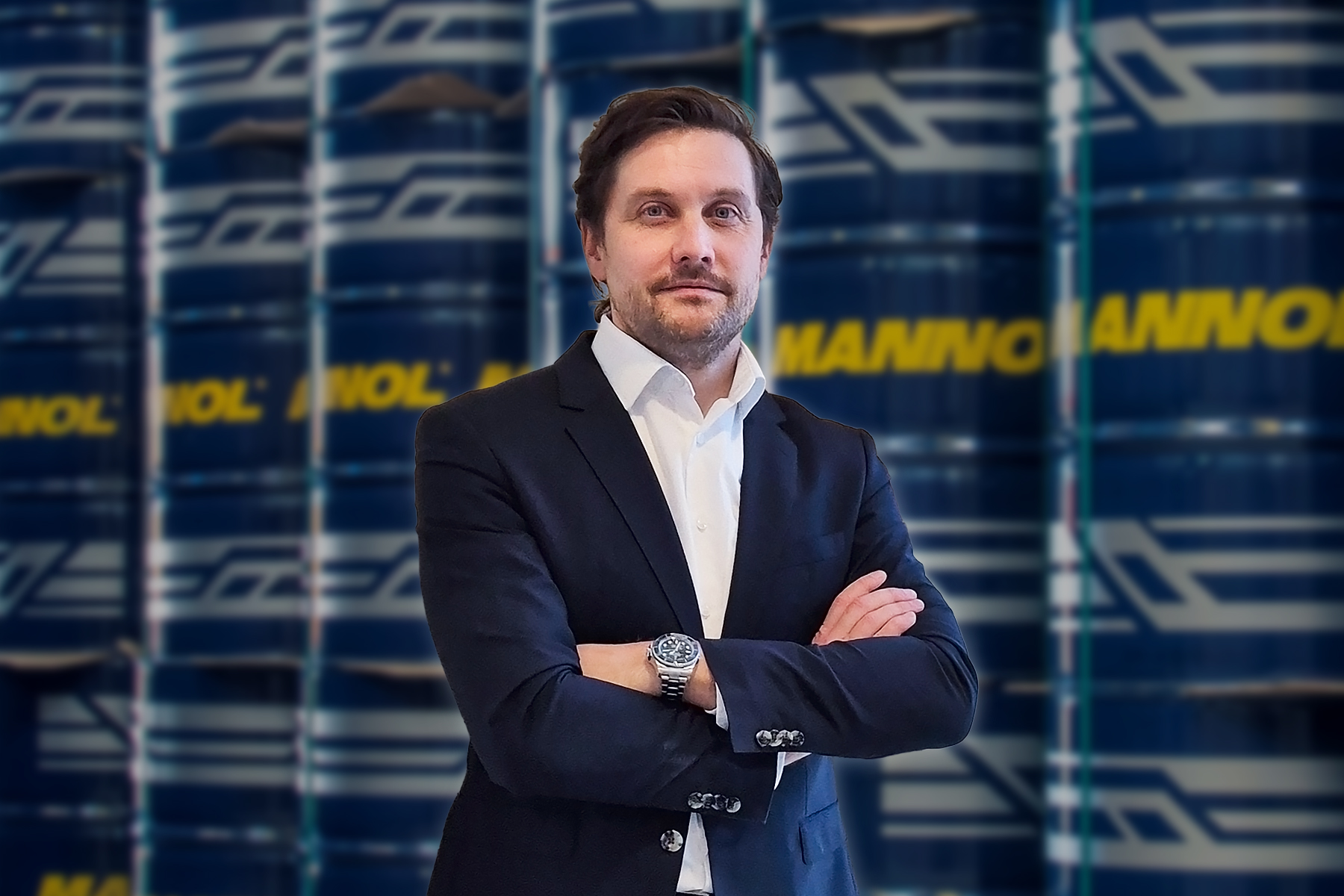
The European lubricants market is characterised by price pressure, increasing regulatory requirements, and ongoing consolidation in distribution. At the same time, international sales markets and supply chains are evolving. For MANNOL, however, this is no reason to take a defensive stance. In this interview, Konstantin Gaab, Managing Director of MANNOL / SCT Germany , explains how the brand is positioning itself within the globally operating SCT Group and why industrial integration, additive expertise and logistics architecture will determine future competitiveness.
The lubricants market is considered mature and highly competitive. Where do you see growth potential for MANNOL?
MANNOL produces in Lithuania and in the United Arab Emirates. What strategic role does this dual structure play?
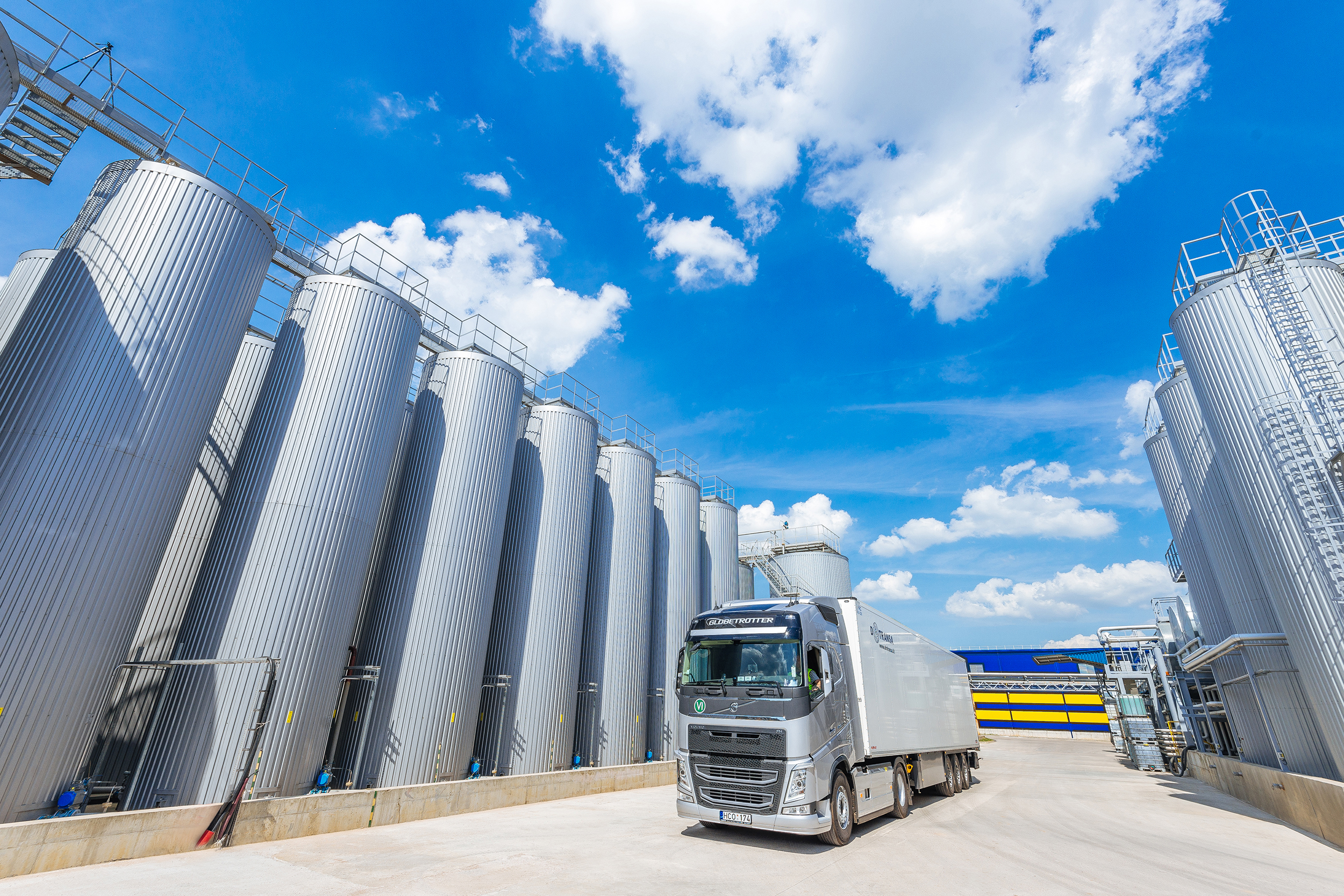
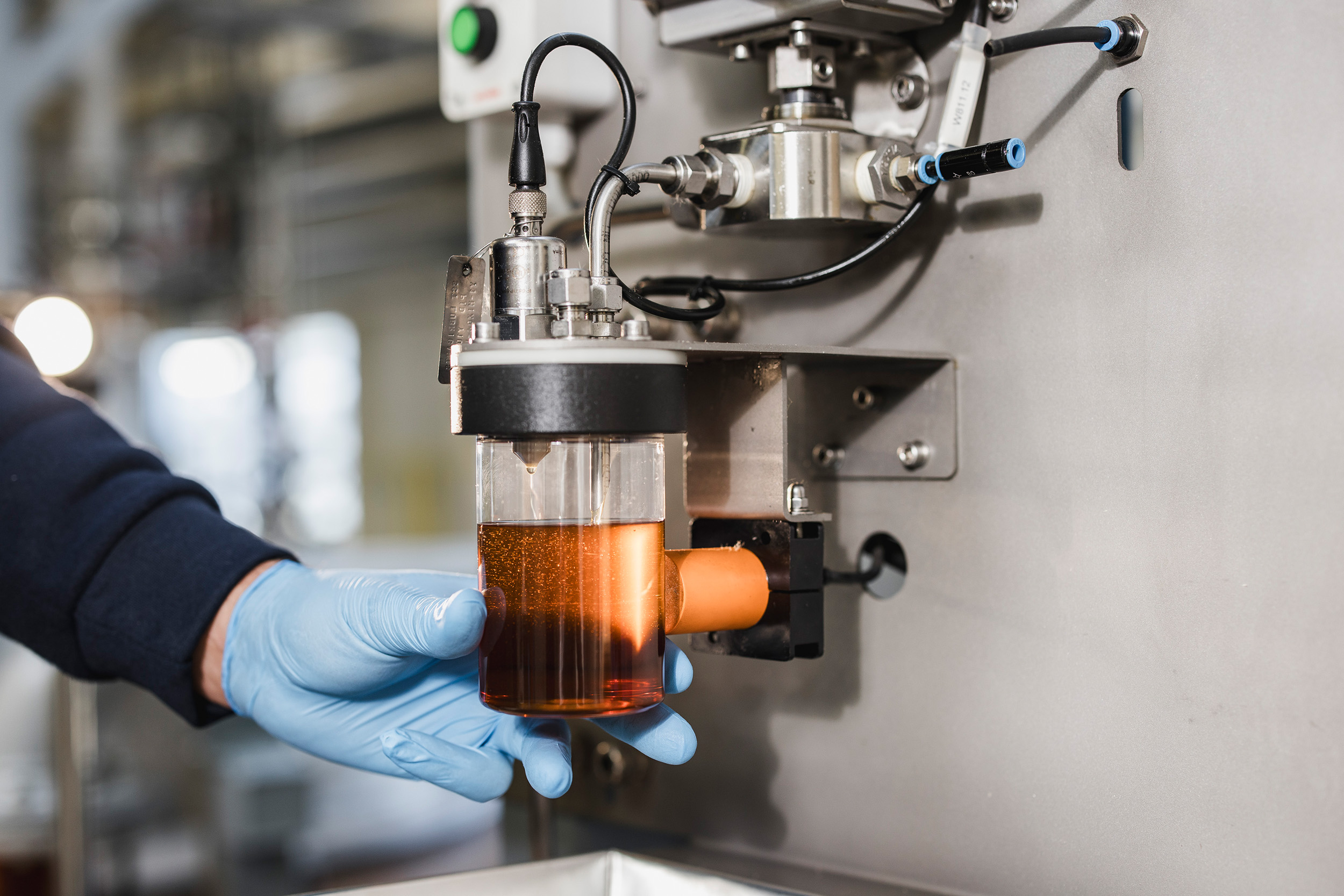
Konstantin Gaab: Our production architecture is a central pillar of our strategy. In Klaipėda, we operate one of Northern Europe’s largest lubricants facilities. In Jebel Ali, UAE, SCT Chemicals runs a highly automated plant where, alongside lubricant production, we are systematically building capabilities in additive technology. Both sites operate independently yet complement one another. The key factor is the vertical structure. We blend and test our products in our own laboratories, manufacture our plastic packaging in-house, fill and package internally, and manage distribution through digitally integrated systems. At the same time, we are investing in the gradual expansion of our additive capabilities to increase value creation within this segment. This integrated structure reduces interfaces, limits potential sources of error and improves responsiveness – for example when new specifications or market requirements arise. Geographically, it enables us to serve Europe and the Americas primarily from Lithuania, while supporting Africa and Asia from Dubai. This enhances supply security and shortens lead times.
Why are you currently investing more heavily in developing additive capability?
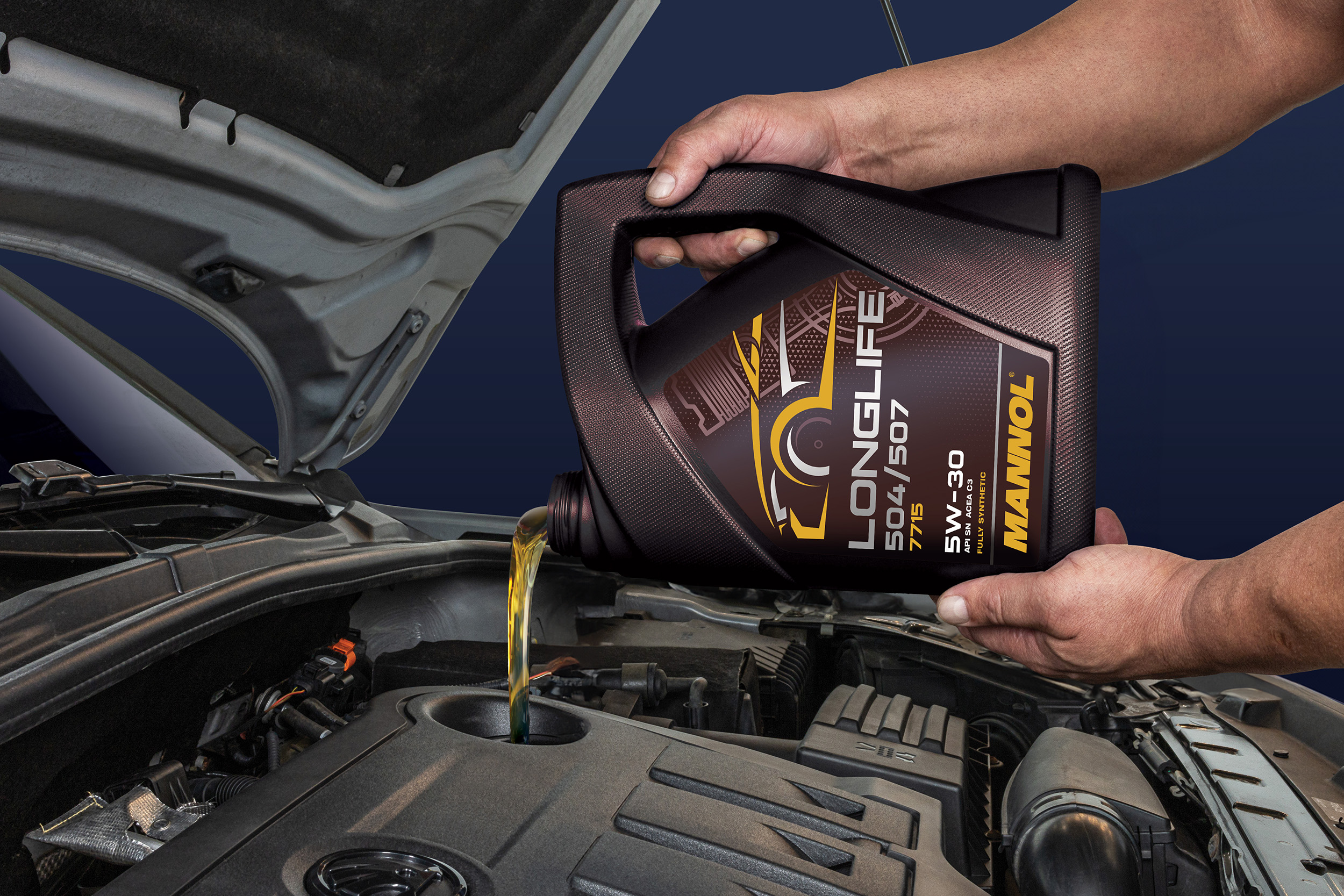
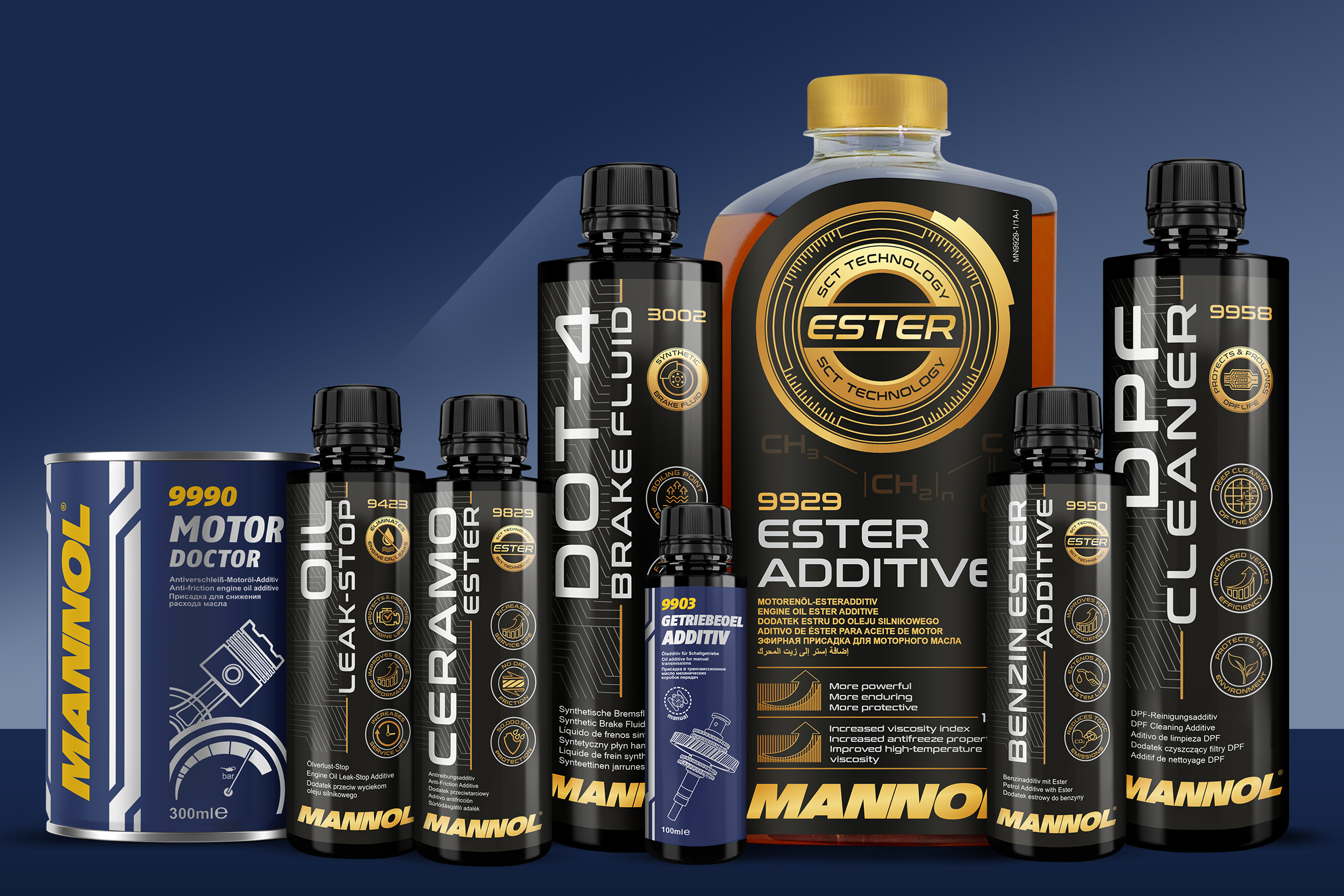
Konstantin Gaab: Additives are functionally the core of any engine oil. Traditionally, the development of additive packages has been the domain of specialised suppliers. We have begun to build our own capabilities in this field and to develop selected additive formulations on a limited scale. This is not about an abrupt strategic shift. It is a gradual exploration of new possibilities. Within the framework of established standards such as API or ACEA, we aim to implement targeted optimisations. Examples include ester-based formulations as well as ceramic- and molybdenum-based additive technologies. We always operate within the boundaries defined by specifications. A product can only be optimised to the extent that the relevant approval permits. Over recent years we have invested significantly in modern laboratory infrastructure and automated blending and dosing systems – including double-digit million investments at our Dubai site. This provides the foundation to further strengthen our technological expertise in the additive segment. Our objective is to develop additive packages that meet the latest technical standards while remaining economically viable. This is not an end in itself; it underpins consistent, reproducible product quality over the long term.
You often describe logistics as a competitive advantage. Why is it strategically important for MANNOL?
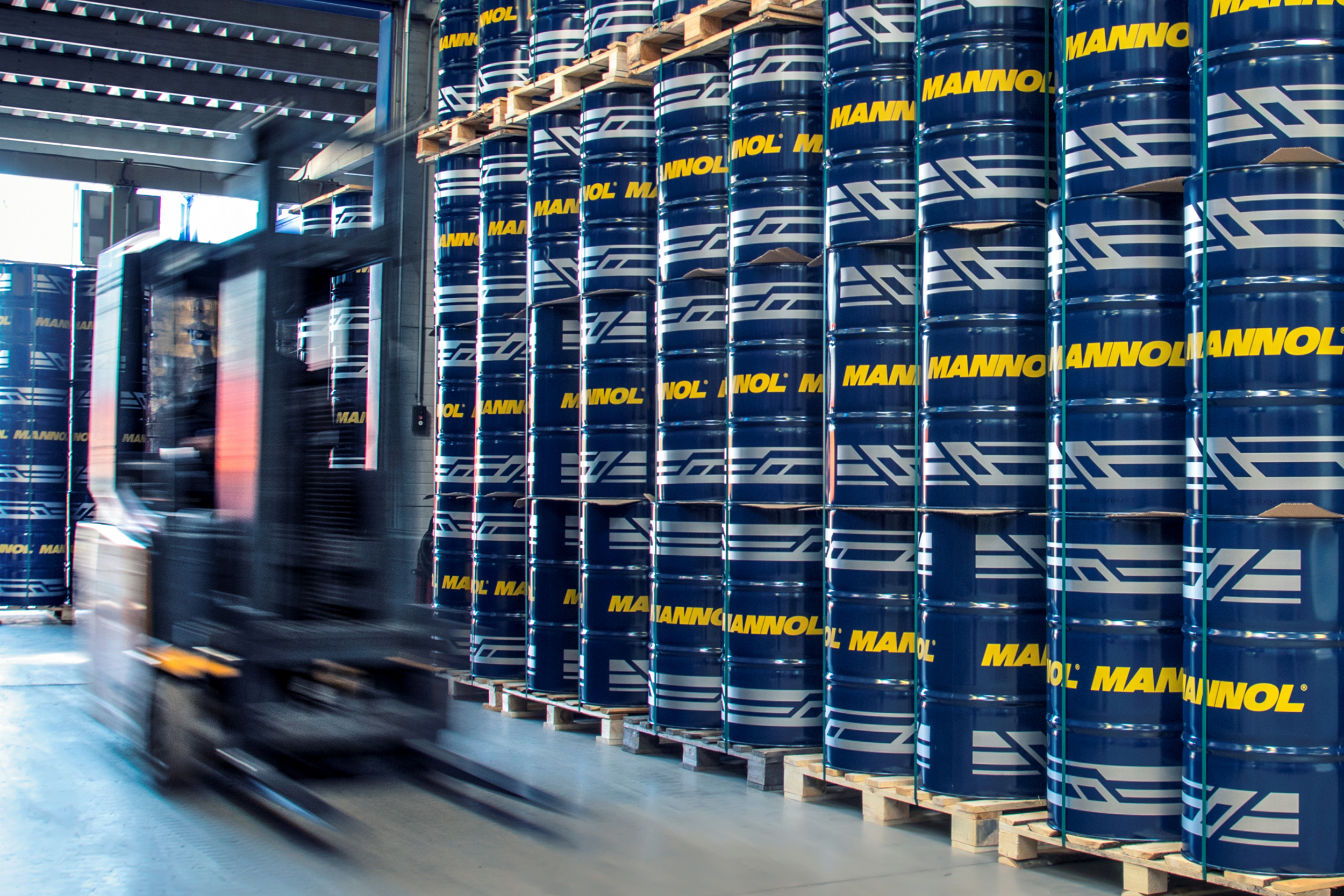
Konstantin Gaab:Distribution structures are changing noticeably. In the past, many wholesalers carried substantial inventories. Today, liquidity and stock turnover are the primary control parameters. Customers expect flexibility and digital integration from their suppliers. With our logistics centres in Wedel and Braunschweig, we have positioned ourselves accordingly. These are highly modern hubs where, through digital API integration, we can process orders down to batch size one in an automated manner. Dropshipping, just-in-time deliveries and direct-to-customer shipment under our partners’ branding are now standard practice. Logistics is no longer a downstream function. It has become part of value creation and a strategic differentiator in the B2B environment. In a stagnating market, operational excellence in supply and fulfilment can be decisive.
Sustainability and electrification are often cited as key industry drivers. How does MANNOL assess these developments?
Konstantin Gaab: Electrification is an important factor, but from a global perspective it does not represent an immediate structural break. In many regions, conventional powertrains continue to grow, particularly outside Europe. Moreover, we are active not only in automotive applications but also in industrial, agricultural and marine segments. We address sustainability on several levels. Our products comply with current standards that support improved efficiency and emissions reduction in modern engines. At the same time, we continue to optimise our own formulations from an environmental perspective, for example by developing biodegradable chain oils and HEES hydraulic fluids for environmentally sensitive applications. At the same time, a lubricant remains a technically demanding product based on defined base oils and additive systems. The key is to reconcile environmental requirements with performance and operational reliability.
Looking five years ahead, where should MANNOL stand?
Konstantin Gaab: We want to be recognised as a reliable partner in the market, not merely as a price alternative. That means consistent delivery performance, technical credibility and a clear price-performance positioning. The market will continue to consolidate. Some intermediary stages in distribution will disappear, while digital processes will become more dominant. Our investment strategy has prepared us for that environment. Our approach is to combine industrial capability with efficient distribution. Ultimately, it comes down to trust and planning reliability. If a customer says, ‘I have worked with MANNOL for years and I know what I am getting’, then we have achieved our objective.
About MANNOL
MANNOL is an internationally successful lubricant brand. Its range comprises more than 500 products, including engine and transmission oils, operating fluids, car care products, and special lubricant solutions for industry. Since its foundation in Germany in 1993 by Juri Sudheimer, MANNOL has stood for innovation, quality, and fair value for money. The entire production process is carried out from a single source—from manufacturing to filling in metal containers and plastic containers. MANNOL products are sold globally and are now available in over 130 countries worldwide.